Column · @edwinzykg947
Trending Garage Door Accessories for Modern Households


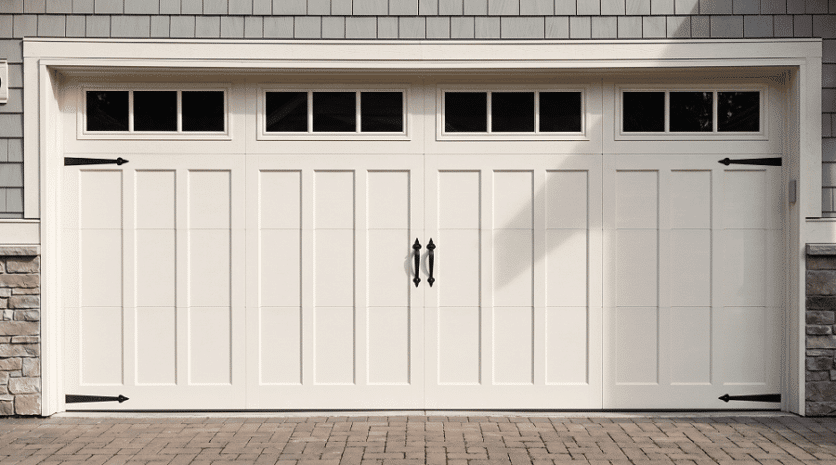
Garage doors used to be treated as purely functional. They opened, they closed, and if they did both without complaint, most homeowners never gave them much thought. That has changed. In many homes, the garage is now the busiest entry point on the property, used more often than the front door. It stores tools, bikes, seasonal gear, deliveries, and in some cases serves as a workshop, home gym, or utility zone. Once a garage becomes part of daily living rather than a detached storage box, the accessories attached to that door start to matter.
That shift explains why Garage Door Accessories have moved from niche add-ons to mainstream upgrades. The most useful products are not flashy. They solve annoyances homeowners deal with every day: poor lighting, weak security, noisy operation, frozen thresholds, dead remotes, accidental lockouts, and package theft. The best accessories also work quietly in the background. You notice them less because they remove friction from routines.
I have seen this play out in both newer suburban builds and older homes with aging garage systems. In newer properties, the interest is often convenience and app control. In older ones, the first priority is reliability and safety. Either way, the conversation is no longer just about the door itself. It is about the surrounding ecosystem.
Why accessories matter more than they used to
Modern households ask more from the garage than previous generations did. A two-car garage may still house vehicles, but it is equally likely to be packed with charging equipment, sports gear, freezers, lawn equipment, and storage shelving. Families use the garage as a transition zone between indoors and outdoors. Delivery drivers use it as a secure drop-off point. Teenagers come through it after school. Pet owners pass through it several times a day.
That level of use exposes every weakness in the setup. A dim garage becomes a safety problem. A loud opener becomes irritating fast when bedrooms sit above the garage. A weak seal lets in dust, rain, insects, and cold air, raising both comfort and maintenance issues. A generic remote clipped to a visor feels dated once people get used to app-based control and notifications elsewhere in the house.
What is interesting is that homeowners do not always need a full door replacement to get a noticeably better experience. In many cases, accessories deliver the biggest improvement per dollar. A properly chosen keypad, motion lighting module, battery backup, or upgraded bottom seal can change how the entire garage feels in daily use.
Smart controllers have become the default upgrade
If there is one accessory category that has clearly crossed into the mainstream, it is the smart garage door controller. This is the upgrade that tends to convert skeptics because the benefit is immediate. Instead of wondering whether the garage door was left open, homeowners can check the door status from a phone, close it remotely, and receive alerts when it opens at unexpected times.
That sounds simple, but in practice it solves several recurring problems. Parents know when kids get home. Frequent travelers can confirm the house is secure without asking a neighbor to check. Delivery access can be managed without leaving the garage door open all afternoon. Service visits, dog walkers, and house sitters can be granted temporary access rather than receiving a permanent remote.
The details matter here. Not every smart controller plays nicely with every opener, especially older units. Before recommending one, I usually tell people to check the opener brand, the learn-button color if applicable, and whether a photo-eye safety system is already installed and functioning properly. In homes with weak garage Wi-Fi, the controller may work inconsistently unless a mesh node or extender is added nearby. That is a common oversight. People blame the accessory when the real issue is the signal.
A smart controller also works best when paired with sensible notification settings. Instant alerts for every open and close event can become noise in a busy household. The better setup is targeted: notify if the door is left open longer than ten or fifteen minutes, or if it opens during work hours when no one should be home.
Wireless keypads are having a quiet comeback
The humble exterior keypad is not glamorous, but it remains one of the most practical Garage Door Accessories available. In fact, it has become more relevant as people try to carry fewer keys. A keypad gives runners, cyclists, dog walkers, school-age kids, and visiting relatives a simple way in without handing out remotes or hiding a spare key under a rock.
The modern versions are better than the old plastic pads that faded in the sun and ate batteries. Good models now have backlit buttons, temporary PIN options, and weather resistance that actually holds up through winters and humid summers. Installation is straightforward if the opener is compatible, though placement makes a difference. Mount it where it is easy to reach but not visible from the street if possible. Shoulder surfing is real, especially in tightly spaced neighborhoods.
The trade-off with keypads is maintenance and code discipline. If a family uses a memorable code like a birth year or street number, convenience starts to undermine security. Temporary codes should also be deleted once they are no longer needed. That sounds obvious, yet many households never revisit the code after initial setup. Months later, former babysitters, contractors, or neighbors may still have access.
Battery backup is no longer a luxury
Battery backup systems gained attention after outages became more disruptive in many regions. They are especially useful when the garage is the primary entrance into the home or when a power failure could trap vehicles inside during an evacuation or emergency. In practice, this accessory is less about comfort and more about resilience.
A good battery backup allows the opener to function for a limited number of cycles after the power goes out. The exact number varies by model, door weight, temperature, and battery condition, so it is best to think in ranges rather than absolutes. Many units offer enough reserve for several openings and closings, not unlimited operation. That is usually sufficient for short outages and urgent use.
The main mistake homeowners make is installing battery backup and then forgetting it exists. Like smoke alarm batteries and sump pumps, it only proves its value when conditions are bad. That means it needs occasional testing. Batteries also age, and garages are harsh environments. Heat shortens lifespan. In colder climates, winter performance can dip noticeably if the battery is already near the end of its service life.
For households with medical needs, electric vehicles, frequent travel, or areas prone to storms, backup power moves from nice-to-have to highly sensible. It is one of those upgrades people appreciate most the day they actually need it.
LED lighting modules and motion-activated illumination
Lighting is one of the most underrated garage improvements. Many garages still rely on a single ceiling fixture or the weak bulb built into an opener housing. That might have been acceptable when the garage was just a parking bay, but it falls short for real daily use.
Motion-activated LED lighting has become popular because it solves several problems at once. It improves visibility while unloading groceries, reduces the chance of trips and falls, makes it easier to spot leaks or clutter, and adds a layer of deterrence around entry points. Better visibility also matters for garages that double as project spaces. Anyone trying to find a dropped screw on a stained concrete floor knows how much difference proper lighting makes.
There are two common approaches. One is upgrading the opener-adjacent lighting with compatible high-output LEDs. The other is installing separate motion-sensing fixtures around the garage interior or near the side access door. The second option often gives better coverage because it is not tied to a single central point. In larger garages, shadows become a real issue.
One practical note from experience: not all LED bulbs behave well with every garage door opener. Some cheap LEDs create radio frequency interference that reduces remote range. It is a frustrating problem because the cause is not obvious. A homeowner thinks the opener is failing, when in reality the new bulb is jamming the signal. For that reason, opener manufacturers often specify compatible bulbs or fixtures. It is worth checking before buying the cheapest multipack at the hardware store.
Quiet hardware is trending for a reason
A growing share of homes have living space above or beside the garage. In those layouts, noise control matters more than homeowners expect. People often focus on the opener motor, but several accessories can reduce noise and vibration even without a full replacement.
Nylon rollers are a good example. Compared with older metal rollers, they run more quietly and often produce smoother travel. Vibration-isolation mounts also help by reducing how much motion transfers into framing members. In chain-driven systems, proper lubrication and chain adjustment can make a clear difference, though they will never be as quiet as a well-installed belt drive.
This trend reflects a larger point about modern upgrades. The best accessories are not always visible. A quieter door changes the feel of a home, especially in early mornings and late evenings. If someone leaves for work at 5:30 a.m., the entire household notices the difference.
Still, quiet hardware is not a cure-all. If the door is out of balance, panels are flexing, hinges are worn, or tracks are misaligned, accessories alone will not solve the root problem. In fact, adding smart features to a mechanically unhealthy door is like putting expensive electronics into an unreliable car. Basic condition comes first.
Weather seals and threshold systems are surging in colder and wetter climates
One of the least expensive but most impactful categories in Garage Door Accessories is weather management. Bottom seals, perimeter seals, and floor-mounted threshold strips are seeing renewed attention because people are using garages to store more temperature-sensitive and moisture-sensitive items. Cardboard boxes, pet food, gym flooring, tools, paints, and power equipment all suffer when water, dust, or pests get in.
The right sealing setup depends on what problem the garage actually has. A cracked or flattened bottom seal may let in light, leaves, and insects. An uneven slab may allow wind-driven rain to creep underneath even if the seal itself is intact. Side and top seals matter too, especially on older wood-frame openings that have shifted over time.
Threshold kits can be surprisingly effective when installed correctly, but they are not universal fixes. They work best when the concrete is clean, stable, and reasonably level. If the floor heaves in winter or water routinely runs toward the garage from the driveway, a threshold helps only up to a point. Drainage outside the garage may be the real issue.
For households in snowy climates, good sealing also reduces salt residue and slush migration. That matters not only for cleanliness but for preserving stored items and minimizing corrosion on tools, bikes, and lower door hardware.
Security accessories are getting more layered
Garage security has become less about a single lock and more about layered deterrence and control. Homeowners increasingly combine several modest accessories rather than relying on one major device. Camera-integrated openers, manual slide locks for travel, shielded emergency release kits, and door-position sensors all fit this pattern.
The emergency release is worth mentioning because it is both essential and vulnerable. Every garage door needs a way to disengage the opener in an emergency, but some setups allow thieves to fish the release from outside using a coat hanger through the top seal gap. Simple shield kits can reduce that risk without interfering with legitimate operation.
Camera-equipped systems can also help, particularly when garages serve as delivery access points or side entrances. The benefit is not only recording. It is context. If the door opens unexpectedly, a live view tells the homeowner whether it is a family member, a contractor, or something suspicious. As always, placement and privacy matter. The goal is coverage of the access zone, not unnecessary surveillance of every square foot.
A balanced security setup usually includes a few practical habits:
- Change keypad and app access settings when household routines or service relationships change.
- Test auto-close and door-left-open alerts so they reflect real habits rather than generating false alarms.
- Keep remotes out of plain sight in parked cars, especially if the vehicle sits in a driveway.
- Use a manual lock or vacation mode during extended travel.
- Check that the photo eyes and reverse mechanism work properly after any accessory installation.
These are simple steps, but they cover the areas where I see the most preventable mistakes.
Vehicle integration and in-car controls
One trend that continues to grow is cleaner in-car integration. Built-in vehicle buttons have reduced reliance on clip-on remotes, and many homeowners now prefer systems that work smoothly with both the car and a phone app. This is less about novelty and more about reducing clutter and dead-device failure points.
Universal compatibility remains uneven, though. Older openers may need bridge modules or repeater accessories to communicate reliably with certain in-car systems. Rolling-code technology has improved security, but it can complicate pairing for people who expect every remote setup to work the same way. It usually does not. Brand ecosystems still matter.
There is also a convenience gap between households with one vehicle and those with three or four drivers. In a multi-driver home, a robust mix of in-car controls, app access, and at least one keypad tends to work better than relying on remotes alone. Someone always loses one, leaves one in the wrong car, or runs down the battery.
Package delivery accessories are influencing garage design
Secure delivery remains a practical concern, and the garage has become part of the solution. Some homeowners use smart openers to grant temporary delivery access. Others add interior cameras, designated package shelves, or motion notifications so parcels can be placed safely inside the garage while the main house stays locked.
This arrangement works best when expectations are clear. A cluttered garage with trip hazards and poor lighting is not a good delivery zone. If the garage is going to function as a secure package room, it should have a defined drop space, decent illumination, and a setup that does not require the driver to navigate around vehicles or tools.
There are edge cases to consider. In households with pets Select Garage Doors Garage Door Accessories that roam the garage, interior access may not be appropriate. The same is true where chemical storage, woodworking equipment, or unsecured tools create liability concerns. Convenience is useful, but only when it fits the actual conditions of the space.
The accessories that often pay off fastest
Not every trend deserves equal enthusiasm. Some upgrades look impressive in product listings but make little difference once the novelty wears off. Others pay off almost immediately in daily use, comfort, or avoided headaches. When homeowners ask where to start, I usually steer the conversation toward friction reduction rather than gadget count.
The best first upgrades often share a few traits:
- They solve a problem the household already notices.
- They improve safety, reliability, or convenience without adding complexity.
- They fit the existing opener and door condition.
- They can be maintained without specialized tools or guesswork.
- They still offer value five years from now, not just the week after installation.
That tends to put smart controllers, keypads, battery backup, lighting, and weather sealing near the top of the list for most households. Not because they are trendy in a superficial sense, but because they improve the way people actually use the garage.
When installation should stay in professional hands
Some Garage Door Accessories are truly do-it-yourself friendly. Keypads, some smart hubs, simple lighting upgrades, and certain weather seals are manageable for a careful homeowner with basic tools. Others deserve more caution.
Anything that interacts with spring tension, track alignment, door balance, or opener force settings should be treated seriously. Garage doors are heavy, and the hardware stores a surprising amount of energy. I have seen people underestimate this because the door feels familiar. Familiar does not mean harmless.
Even accessories that seem electronic-only can create issues if they interfere with safety sensors or opener logic. If a smart add-on requires bypassing normal operation, that is a red flag. Likewise, if the door already hesitates, jerks, reverses unpredictably, or slams shut, accessory installation should wait until the underlying mechanical problems are corrected.
A good installer does more than mount parts. They check door balance, inspect rollers and hinges, verify sensor alignment, confirm force settings, and make sure the accessory works in the context of the whole system. That is where a professional installation often earns its cost.
What modern households are really buying
When you strip away the marketing language, most homeowners are not buying accessories for the sake of technology. They are buying confidence. Confidence that the garage is closed when they leave for work. Confidence that a child can get in safely after school. Confidence that a storm-related outage will not trap the car inside. Confidence that water will stay out, packages will stay secure, and a 6 a.m. Departure will not wake the entire house.
That is why the current wave of Garage Door Accessories feels durable rather than faddish. These products align with real changes in how homes function. The garage is no longer an afterthought. It is part entrance, part storage hub, part utility room, and part security perimeter. Accessories that support those roles are not extras in the old sense. They are practical upgrades to one of the most used systems in the home.
For homeowners deciding where to invest, the smartest approach is rarely to buy everything at once. Start with the annoyances that recur every week. Is the space too dark, too noisy, too exposed to weather, or too awkward to access? Solve that first. The right accessory in the right place usually does more than a long list of features ever will.
Select Garage Doors
11479 Pine Dr, Parker, CO 80134, United States
+1 303-228-0018
FAQ About Garage Door Accessories
What are garage door parts called?
Common door components include panels, hinges, rollers, tracks, springs, cables, and weather seals. The opener is a separate operating system, with accessories such as remotes, keypads, and compatible smart controls. Identify the door and opener model before choosing a part; springs, cables, and other loaded components should be assessed and serviced by a trained garage door technician.
What garage door supplies do I need?
The right supplies depend on the problem or upgrade you want to address. Common accessories include replacement remotes, wireless keypads, weather seals, decorative handles and hinges, and compatible smart controls. Check model compatibility and the manufacturer's instructions before buying. A technician can inspect the system and recommend suitable accessories without replacing otherwise serviceable equipment.
Where can I find garage door accessories in Parker?
Select Garage Doors supplies and installs garage door accessories for Parker homeowners. Contact the company with your opener brand and model, door details, and the upgrade you want so it can confirm compatibility, availability, pricing, and installation requirements. Confirm collection or appointment arrangements before visiting.