Column · @edwinzykg947
Must-Have Garage Door Accessories in Parker for Safer Garages
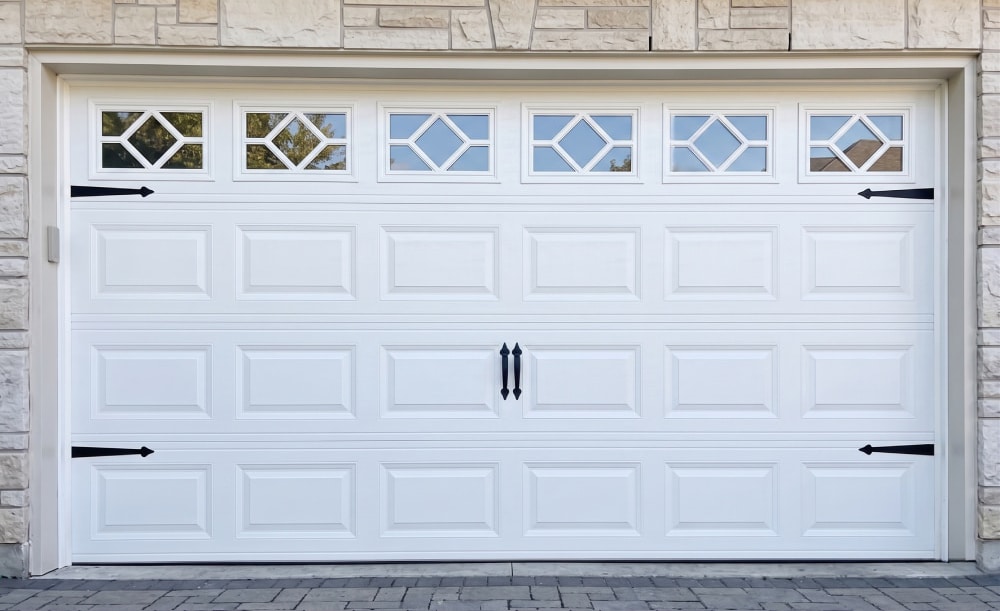
A garage door is the largest moving object in most homes, and that alone changes the way I think about safety. Homeowners often focus on the door panel, the opener, or the springs, but the accessories around that system usually make the difference between a garage that merely works and a garage that protects people, vehicles, tools, and the entrance into the home.
That matters in Parker, where garages do a little bit of everything. They shelter cars from hail, hold expensive bikes and power equipment, double as workshops, and in many homes serve as the most frequently used entry door. When a garage becomes a daily access point instead of a once-a-day parking space, the small upgrades stop feeling optional. They become practical safeguards.
The phrase Garage Door Accessories Parker might sound broad, but the category is actually very specific once you look at real household needs. Some accessories reduce injury risk. Some strengthen security. Some improve visibility and control. A few solve those annoying daily problems that, left alone, become expensive repairs. The best choices are rarely flashy. They are the ones that keep the door predictable, visible, and harder to misuse.
The accessories that solve the biggest safety problems
Most garage safety issues fall into a few familiar buckets. A closing door is not seen in time. A child gets access to a remote. An old opener loses reliability. A power outage leaves the door awkward or unsecured. A side door or interior connection to the house becomes the weak point even if the main overhead door is strong.
When I walk through a garage with a homeowner, I usually pay attention to habits first. Is the wall control mounted low enough for small children to reach? Is there a remote clipped in every car, visible through the window? Does the garage have dark corners? Is the bottom seal cracked, letting in moisture and debris that create a slipping hazard? Does the door reverse cleanly when tested, or does it hesitate and grind before stopping?
Accessories are worth buying when they address those real-world patterns. They are not worth buying when they only add novelty.
Photo eye safety sensors are not optional
Modern garage doors rely heavily on photo eyes, those small sensors mounted near the floor on each side of the opening. Their job is simple. They send an invisible beam across the doorway, and if anything breaks that beam while the door is closing, the opener should stop and reverse.
In theory, every homeowner knows this. In practice, I have seen garages where one sensor is slightly bumped out of alignment, the mounting bracket is bent, or cobwebs and dust reduce performance enough to make the system inconsistent. That inconsistency is the problem. A safety feature that works nine times out of ten is not safe.
In Parker, dust, mud, and seasonal debris can make sensors dirtier than people expect. If your garage faces prevailing wind or backs onto open space, the bottom of the opening can collect grime quickly. A properly installed and occasionally cleaned sensor set is one of the least expensive, highest-value garage door accessories available.
If your current setup is old, replace aging sensors rather than waiting for complete failure. If the brackets are flimsy or the wiring has been patched over the years, that is another sign it is time. Families with kids, pets, or frequent foot traffic through the garage should treat sensor health as essential maintenance.
A modern wall control does more than open and close
A basic wall button is easy to ignore until you compare it with a newer multi-function wall control. The newer versions typically include a vacation lock mode, a light control switch, and in some systems a timer-to-close setting. Those are not gimmicks when they are used correctly.
Vacation lock is especially useful for detached garages or garages with exterior keypads. It prevents remote activation when you are away, which can reduce the risk of unauthorized access from a lost remote or a vehicle break-in. I recommend it often to homeowners who travel frequently or leave a car parked outside overnight.
Timer-to-close can also improve safety, but only if the sensors are working perfectly and the household understands the feature. For some families, it closes the loop on absent-minded moments. Someone unloads groceries, walks inside, and forgets the door is still open. For other households, especially those with children moving in and out of the garage, a timer setting may create more anxiety than convenience. This is where judgment matters. The accessory is useful, but not every feature suits every home.
Mounting height matters too. A wall station should be placed high enough that young children cannot treat it like a toy. That sounds obvious, yet I still see controls mounted at a height that invites curious hands.
Smart garage door controllers close a common security gap
Smart controllers have moved from novelty to practicality. A well-designed smart garage accessory lets you check whether the door is open, close it remotely, and receive alerts if it stays open longer than expected. For many Parker homeowners, that solves a routine problem. The garage door was used in a rush, and nobody remembers whether it came down all the way.
This is one of the most effective upgrades for households with busy schedules, multiple drivers, or teens who are just starting to drive. It is also valuable for people who store tools, bikes, or seasonal gear in the garage and want a clearer record of access.
There are trade-offs. App-based systems depend on a reliable Wi-Fi connection in the garage. Some attached garages have enough signal from the house, while detached garages often need a stronger network setup. Compatibility can also get messy with older openers. Before buying a controller, verify that it works with your opener model and safety sensor configuration.
The reason I like this category so much is that it adds visibility. Security problems often happen because nobody notices an open door, a midnight activation, or a pattern of false starts. A smart system gives you those clues early.
Keypads are safer than people think, if they are set up well
Exterior wireless keypads get overlooked because they feel ordinary, but they can improve both convenience and safety. A keypad gives family members access without hiding a key outside, and it helps reduce one of the most common bad habits in residential security, leaving the garage unlocked because someone may need to get in later.
The key is proper setup. Do not use an easy code. Avoid house numbers, birthdays, or the classic four-digit combinations people guess first. If your keypad supports temporary or scheduled codes, use them for dog walkers, service providers, or visiting relatives rather than sharing the main code permanently.
Weather resistance matters in Parker. A keypad exposed to intense sun, snow, and temperature swings should have a durable cover and responsive buttons. Cheap units often fail in frustrating ways. The numbers become hard to press, the housing cracks, or the battery compartment corrodes. Spending a bit more on a quality keypad is usually worth it because the whole point is dependable access when you are locked out or arriving without keys.
Battery backup turns an inconvenience into a safety feature
A battery backup for the opener is easy to postpone until the power goes out on a freezing evening and the garage door will not move. At that moment, it no longer feels optional.
Battery backup matters for several reasons. First, it keeps the garage usable during an outage, which is especially helpful if the garage is your primary point of entry. Second, it can be a genuine safety benefit for households with mobility concerns, young children asleep in the car, or urgent need to get a vehicle in or out. Third, it reduces the temptation to force the door manually when conditions are dark, cold, or rushed.
Not every opener accepts a battery module, so compatibility comes first. If you are already replacing an aging opener, this feature deserves a place on the priority list. Newer opener systems often integrate battery backup more cleanly than retrofits do.
One caution from experience, though. Homeowners sometimes install backup batteries and forget they have a service life. Those batteries should be tested and replaced on schedule. Otherwise, the feature exists only on paper.
LED garage lighting deserves a safety lens, not just a brightness lens
Garages are notorious for poor lighting. A single bulb in the opener housing was enough years ago when the garage was little more than a parking bay. It is not enough for modern garages used for storage, projects, home gyms, or side entry traffic.
Better lighting reduces trips, helps drivers judge spacing, and improves camera footage if you use garage surveillance. LED light panels or properly placed ceiling fixtures can eliminate the shadow zones near shelves, steps, freezers, and workbenches. Motion-activated lighting adds another layer of safety because it removes the need to fumble for switches while carrying bags or tools.
This is one of those upgrades that changes behavior immediately. When people can see clearly, they move more carefully and spot problems earlier. A frayed extension cord, a leaking bottle of lawn treatment, a dropped screw near a tire, these are minor things until someone steps on them or tracks them indoors.
For attached garages, I prefer bright, neutral white lighting rather than harsh blue-white light. It feels less clinical and gives better visibility for everyday use. Placement matters more than raw lumens. A few well-positioned fixtures beat one painfully bright center fixture every time.
Reinforced bottom seals and weatherstripping support safety in indirect ways
Weather seals are not the first accessory most people think of when discussing safer garages, yet they do a lot of quiet work. A healthy bottom seal and solid perimeter weatherstripping help keep out water, dust, leaves, insects, and wind-blown debris. In Parker, that can be more important than it sounds.
A damp or dirty garage floor becomes slippery. Wind-driven debris can interfere with the photo-eye area. Gaps invite pests, and homeowners then bring in traps or chemicals that create other household hazards. Better sealing also protects stored items, especially cardboard boxes, sports gear, and lower shelving.
The right Select Garage Doors Garage Door Accessories Parker seal depends on the floor condition. Some concrete slabs are level and smooth, while others have slight crowns or uneven wear. A seal that is too thin leaves gaps. One that is too thick can overcompress and affect door travel. This is why a one-size-fits-all purchase from a big box shelf does not always solve the problem.
Lift handles and manual release upgrades matter more than people expect
During an emergency or opener failure, people often discover how awkward manual operation can be. A proper lift handle, securely installed and placed at a practical height, gives you better control over the door if you need to guide it by hand. For heavier wood or insulated steel doors, that matters.
The emergency release cord also deserves attention. It should be visible, reachable by an adult, and in good shape. Frayed cords, missing handles, or improvised knots are surprisingly common. Those details matter when the power is out or the opener jams.
For homeowners with detached garages or alley-facing access, I sometimes recommend a keyed emergency release kit. That allows external manual disengagement if the main entry path is blocked and there is no other way in. It is not necessary for every garage, but in the right setup it can prevent a bad night from becoming a destructive one.
Garage door shields and opener protection brackets help with forced-entry resistance
A burglar does not always attack the strongest point. Sometimes the target is the emergency release mechanism or a vulnerable section near the top of the door. Opener reinforcement brackets and release shields are accessories designed to make that kind of tampering harder.
These products are particularly useful on older doors or systems where the release can be manipulated through the top gap. Not every garage is equally exposed. A garage behind a fenced yard with limited visibility has a different risk profile than a front-facing garage on an open suburban street. Still, if the garage contains expensive equipment or has direct interior access to the home, modest anti-tampering accessories can be a smart addition.
This is also where overall door condition matters. Reinforcing a weak opener attachment point without addressing a cracked top section is only half a repair. The accessory needs to be part of a coherent system.
The accessories I prioritize most often
Different homes need different upgrades, but a few accessories repeatedly earn their place because they reduce risk without adding complexity.
- High-quality photo eye sensors or a sensor refresh if alignment and reliability are poor
- A smart garage controller with open-door alerts and remote close capability
- A modern wall control with vacation lock, mounted at a child-safe height
- Exterior keypad access with a secure code and weather-resistant housing
- Battery backup for the opener, especially in garages used as the main entrance
That group covers the most common safety gaps I see in everyday residential use. If a homeowner asks where to start, this is usually the conversation.
Cameras can be helpful, but placement determines whether they are actually useful
Garage cameras fall into a gray area between security accessory and general home tech, but they can absolutely support a safer garage. The trick is placement. A camera aimed only at the back wall tells you very little. A camera that captures the overhead door, the interior access door, and the general traffic path gives you something actionable.
For attached garages, I usually prefer one camera inside rather than just outside. Interior placement protects the device from weather, keeps the lens cleaner, and provides better evidence if the door was left open, entered unexpectedly, or obstructed during closing. If you already have a smart opener with event logging, adding a camera can create a fuller picture without overcomplicating the system.
Privacy should be considered, especially in garages used as workshop or family overflow space. The goal is practical oversight, not turning a household utility space into a surveillance maze.
Child and pet safety changes the accessory conversation
Once children or pets are part of the picture, I look at the garage differently. Controls need to be out of reach. The auto-reverse system needs regular testing. The space under the closing path should be visually obvious. If the garage doubles as a play area, even temporarily, the standards should be higher.
A family I once worked with had a perfectly functional garage door but kept bikes, scooters, and sports bags clustered right near the opening. Every afternoon, the area turned into a narrow obstacle course. No single accessory solved that entirely, but better lighting, a smart alert system, and a cleaner sensor zone made the door much safer to use. Safety often improves not because of one dramatic product, but because the whole area becomes more readable and controllable.
Pets introduce another factor. Dogs that dart into or out of the garage create unpredictable movement at floor level, right where sensors are supposed to help. Reliable sensors and visible warning lights on some opener systems can make a real difference.
When an opener upgrade is smarter than accessory stacking
Sometimes homeowners ask about several accessories at once for a 15- or 20-year-old opener. At that point, I usually step back and ask a different question. Are we improving the system, or are we dressing up a worn-out core component?
Older openers can lack modern safety logic, phone connectivity, soft start and stop, integrated lighting options, and battery support. They may also be noisier and less precise. If the motor strains, the rail is worn, or replacement parts are getting hard to find, a new opener may be the better long-term investment than piecing together upgrades around an obsolete unit.
That does not mean every garage needs a full replacement. It means accessories work best when the foundation is sound. There is no value in adding premium controls to a system that already hesitates, reverses unpredictably, or has unreliable travel limits.
What to inspect before buying garage door accessories in Parker
Before ordering anything, spend ten minutes looking at the garage with fresh eyes. Most mismatched purchases happen because homeowners shop by category rather than by actual condition.
- Check opener brand and model compatibility for any keypad, battery, or smart controller
- Test sensor alignment and auto-reverse performance before assuming a new accessory is the fix
- Note environmental conditions such as dust, direct sun, moisture, and temperature swings
- Look at traffic patterns, including where people walk, where kids stand, and how cars enter
- Decide whether the real problem is access, lighting, security, or an aging opener itself
That quick review usually points you toward the accessories that will make a measurable difference instead of just filling a cart.
Professional installation versus a confident DIY approach
Some garage accessories are DIY-friendly. A keypad battery replacement, sensor cleaning, or a basic smart controller setup may be straightforward for a careful homeowner. Other tasks deserve professional handling, especially anything that touches opener wiring, structural reinforcement, travel adjustments, or system diagnostics.
The line I draw is simple. If the accessory can affect how the door moves, stops, or reverses, a professional should at least verify the final setup. Garage doors store force in ways that people underestimate. The danger is not always dramatic. Sometimes it is a small misadjustment that only shows up when the door is closing on a cold morning with a little resistance at the threshold.
For homeowners researching Garage Door Accessories Parker, local conditions matter enough that generic advice can miss the mark. Sun exposure can shorten the life of exterior plastics. Dust can interfere with low-mounted electronics. Family use patterns vary widely between attached suburban garages and detached workshop-style garages. Good recommendations come from understanding those details, not from assuming every garage works the same way.
The safest garages are the ones people can trust
When a garage door system feels predictable, people use it better. They do not leave it open because the opener acts strangely. They do not slam the interior door and hope everything else sorted itself out. They do not ignore warning signs for six months because operation is already frustrating.
That is the real value of smart accessory choices. They reduce doubt. A clear keypad, dependable sensors, strong lighting, a useful alert on your phone, a battery backup when the grid goes down, these are not glamorous improvements. They are confidence builders. They make the garage less of a blind spot and more of a controlled part of the home.
For most Parker homeowners, the best path is not to buy every accessory available. It is to identify the weak points in the current setup and strengthen those first. If the garage is dark, fix visibility. If access is sloppy, add a keypad or smarter control. If security is vague, add monitoring and lockout features. If the opener is tired, stop accessorizing around the problem and replace the heart of the system.
Safer garages are built through practical decisions, not oversized wish lists. The right accessories do not call attention to themselves. They just make the door work the way it should, every day, with fewer risks and fewer surprises.
Select Garage Doors
11479 Pine Dr
Parker, CO 80134, United States
Phone: (303) 228-0018
FAQ About Garage Door Accessories Parker
Where can I find garage door accessories?
Garage door accessories are available from garage door service companies, authorized dealers, home improvement stores, and specialist suppliers. Select Garage Doors supplies and installs accessories for homeowners in Parker, including compatible remotes, wireless keypads, weather seals, and smart controls. Check your opener model and door specifications before choosing a replacement or upgrade.
How to make a garage door more attractive?
Cleaning the door, refreshing a manufacturer-approved finish, and choosing coordinated decorative handles or hinge accents can improve its appearance. Compatible window inserts may also change the look of an existing window section. Match accessories to the door material and style, and make sure added hardware does not interfere with movement, seals, or safety equipment.
Where can I buy garage door inserts?
Decorative window inserts can be sourced through the door manufacturer, an authorized garage door dealer, or a supplier that carries parts for your specific door series. Match the model, window frame dimensions, and attachment system; inserts are not universally interchangeable. Ask a professional to confirm compatibility before ordering, especially if the work involves glass or changes to a door section.